Facilities
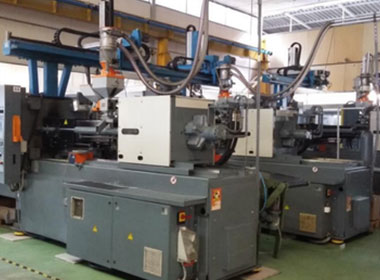
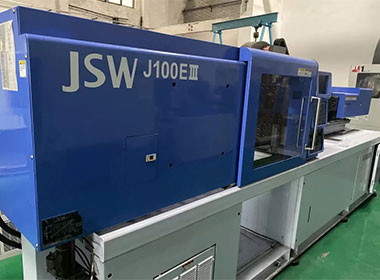
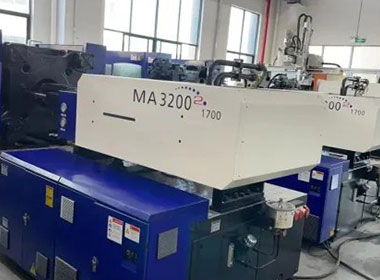
We process all technical thermoplastics and manufacture components for small-series, medium-sized series and post-series supplies. A special feature is our large-area and thick-walled plastic parts in the injection molding process. Plastic is liquefied by heat in an injection molding machine and then injected into a steel injection mold with high pressure. By pressing over, the shrinkage of the plastic (caused by cooling) by flowing plastic is compensated for. By cooling, the shape becomes firm again and is dimensionally stable. The tool is opened and the plastic part can be removed.
For each plastic part, this is an individual process of temperature, pressure, time, material and tool-specific parameters.
- Special feature: large-area and thick-walled injection-molded parts
- We process all technical thermoplastics
- Production of technical plastic parts for the interior/exterior areas
- Components for small-series, medium-sized series and post-series supply
- high reproduction accuracy in the production process
- no or only a little post-processing of the molded part is necessary
- direct way from the raw material to the finished part
- Procedure fully automated
- Depending on the component, very high quantities per hour can be produced
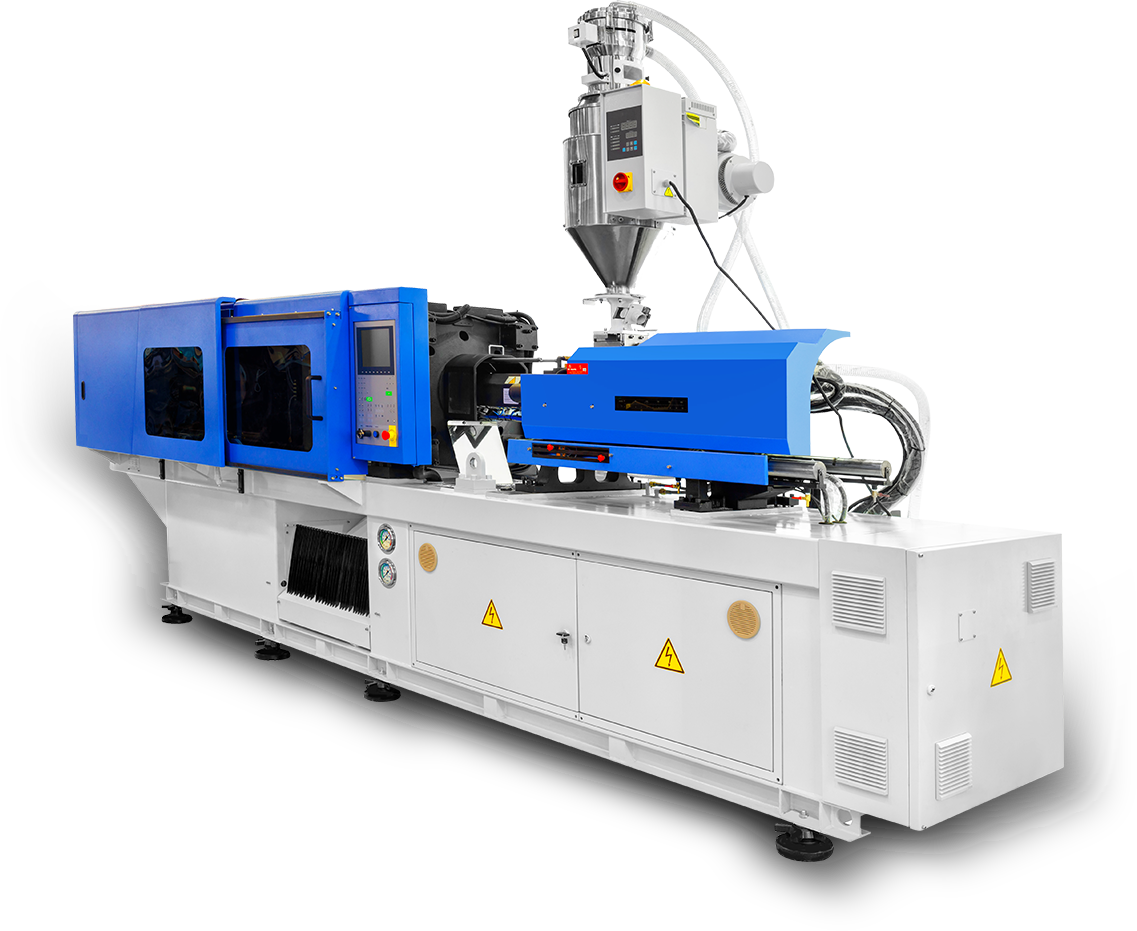
Injection Moulding Machine
How does an injection moulding machine work?
Injection molding is a widely used manufacturing process for producing plastic parts in large volumes. The process involves injecting molten plastic material into a mold cavity, where it solidifies and takes the shape of the mold. Injection molding is known for its efficiency in producing large quantities of identical parts with high precision and repeatability. It is a versatile process used in various industries for manufacturing a wide range of plastic components, from small and intricate parts to large and complex structures.
Which material is suitable for injection moulding?
Three types of plastics can be processed in injection moulding: Thermoplastics, thermosets and elastomers. The most widely used process in plastics processing is thermoplastic injection moulding.
Thermoplastics
Thermoplastics are polymers that, when exposed to heat, can be melted and re-moulded multiple times without undergoing significant chemical degradation. This unique characteristic makes them ideal for injection moulding processes, where the material must be melted, injected into moulds, and repeatedly solidified.
Thermoset
Thermosetting polymers are a class of materials that, once moulded and cured, undergo a chemical reaction that irreversibly solidifies their structure. This curing process creates a three-dimensional network of cross-linked polymer chains, resulting in enhanced rigidity, heat resistance, and durability.
Elastomers
Elastomers represent a distinct class of polymers characterized by their ability to undergo significant deformation under stress and revert to their original shape upon release of that stress. This unique elasticity makes them well-suited for applications requiring flexibility, impact resistance, and a soft touch.